
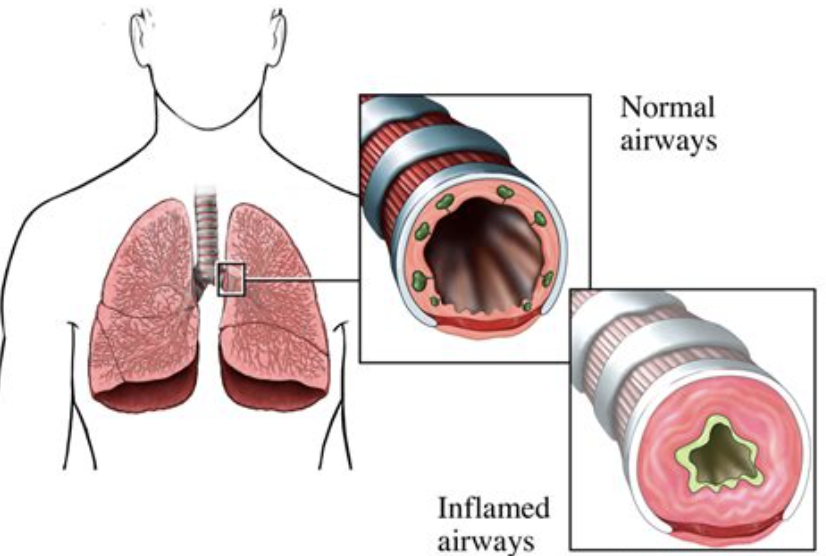
 Image from National Heart, Blood and Lung Institute What is Asthma?The word "asthma" comes to us from the Greek word ἄσθμα, ásthma, through the Latin language. It means 'I gasp for breath” and refers to a short-drawn breath, panting, or laboured breathing. Asthma is a chronic respiratory disease where the bronchial tubes constrict the passage of air. This results in severely laboured breathing and a wheezing, whistling sound as air is expelled from the lungs. Many times, the patient also has a dry painful cough, which further aggravates the mucous membranes in the nasal passages or bronchial tubes. Symptoms of Asthma
The symptoms of asthma typically occur with constriction of the chest (bronchiolar spasm) and expectoration of mucus (mucoid sputum). TriggersAsthma is believed to be due to hypersensitivity to inhaled or ingested substances commonly referred to as triggers: such as odours, pollen, dust, dust mites smoke, pollution, cold air etc. Emotional triggers include intense anger, crying, or laughing Root causeThe two main underlying categories of asthma to consider are: 1. Malnutrition due to issues with digestion, absorption, assimilation and utilisation of foods and nutrients Other aspects to explore related to malnutritition include poor dietary choices, dysbiosis and pathogen overgrowth (i.e. bacteria, moulds, yeast, parasitess, viruses), gut hyper-permeability of gut lining "leaky gut", and detoxification weaknesses). 2. Over reactive Immune system. In natural medicine the chronic cough is viewed as nature's effort to expectorate and expel mucus or irritants from the lungs, after which breathing becomes easier. It is often helpful to explore asthma as not merely the fault of an overactive immune system. The cause of asthma can be also be considered a nervous condition. One, because the the nerves are irritated, and two, because of the relationship between the nervous system and one of its functions- the immune response. Happy to help This post is designed to distil the key information from our 15 plus years in clinical practice and 8 years of degree study. We aim share with you the core principle of nutritional therapy, natural medicine, herbal medicine and energy medicine in order to support you making informed decisions around your health. If you found this post helpful sign up for our WEEKLY UPDATES where we send you special offers, and educational material designed to support you in your self-healing journey This website does not provide medical advice. The information including, but not limited to text, graphic and images, and other material contained on this website are for informational and educational purposes only. No information on this site is intended to be a substitute for professional medical advice, diagnosis or treatment. Always seek the advice of your physician or other qualified health care provider with any questions you may have regarding a medical condition or treatment and before undertaking a new health care regime and never disregard professional medical advice or delay seeking it because of something you have read on this website.
0 Comments
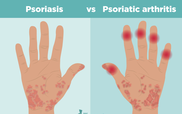 Psoriatic arthritis affects 30% of people with psoriasis and is classed as another kind of arthritis. It commonly occurs between ages of 15-35. In healthy skin, it normally takes around 28-40 days for new cells to move from the deepest layer of the epidermis up to the surface. Once the cells reach the top layer they naturally mature, becoming more rough, dry and flaky. In psoriasis the process only takes a few days resulting in the build up of dead skin cells and thick scales . Typical symptoms of psoriatic arthritis include:Joint pain, Tenderness, Swelling in the fingers, toes, or spine. Reduced range of motion, Morning stiffness, Redness and pain of the eye that is similar to conjunctivitis, Nail changes with pitting or lifting of the nail. Psoriatic arthritis is associated with bone erosion and deformities that affect half of the people with this disease. Skin and joint symptoms may flare up or improve simultaneously. Allergy, intolerance and sensitivity underpin over reactive immune systems typically found in autoimmune mediated diseases. The most common triggers or allergens we observed in clinical practice include ; Milk, Cheese, Casein, Lactic acid, Yogurt, Whey, Butter, Vitamin D, Vitamin C, Sodium Chloride (table salt) Chocolate, Coffee, Caffeine, Wheat Night shades ( potato, tomato, aubergine pepper) Salicylate phenolics particularly from onion Fatty acids Environmental culprits Include: Washing up liquid, Latex, Plastics Pesticides Case study For 15 years, a 35 year-old female had psoriasis all over her body along with severe arthritis of the joints affecting mobility of her hands. She was taking vitamin D supplementation and drinking milk with her tea three times a day even though she never used milk products in any other form. After she was tested and treated for milk and milk products, along with Vitamin D, her psoriasis disappeared and her health greatly improved. The body can be intolerant to natural and unnatural substances. Once it becomes intolerant it is not able to absorb or assimilate nutrients from these items. The natural approach Identifying triggers and then temporarily remoe them while fixing the immune response (using a personalized protocol ). Then integrating natural medicine can help reduce and prevent further inflammation. Common natural medicines that can be helpful in psoriasis (assuming there is no intolerance to these factors) Essential fatty acids/Evening primrose/ borage/fish oils/ turmeric/ curcumin/ bromelain/ quercetin. All these work on these anti inflammatory pathways. This website does not provide medical advice. The information including, but not limited to text, graphic and images, and other material contained on this website are for informational and educational purposes only. No information on this site is intended to be a substitute for professional medical advice, diagnosis or treatment. Always seek the advice of your physician or other qualified health care provider with any questions you may have regarding a medical condition or treatment and before undertaking a new health care regime and never disregard professional medical advice or delay seeking it because of something you have read on this website.
In this article we discuss the importance of optimal digestion and absorption. The Gut and Complex and Chronic DiseaseMany of our clients present with chronic issues such as:
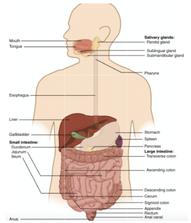
We find that in nearly all cases these clients are not digesting, assimilating, absorbing, or utilizing their nutrients optimally. Therefore, they are really suffering from deficiency and and malabsorption disorders, producing abnormal enzymes leading to abnormal functions in the body. Such clients also typically present with poor digestion: bloating, gas, acid reflux, constipation or diarrhoea and helicobacter pylori infection, yeast overgrowth/ viral overload, dysbiosis or parasites. DigestionThe breaking down of foods - occurs in the mouth stomach and small intestine with support from the liver and pancreas. By the time the food you eat gets to your large intestine, most of the digestion is done. For optimal digestion the body requires a healthy mucosa membrane and correct levels of
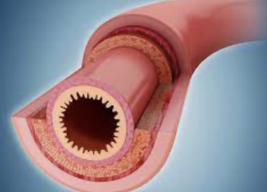 MobilityFood moves along the intestinal by a muscular motion. Smooth muscles alternately contract and relax gently propelling food along the passage. This motion is called peristalsis. 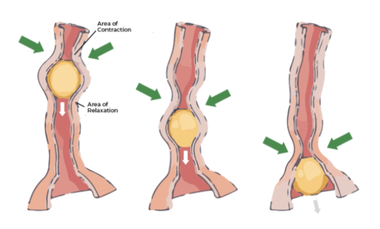 Absorption Absorption is the movement of digested food molecules through the epithelial cells lining the intestines, into the blood and through the portal vein to the liver where they are filtered by the liver So the quality of your blood and the health of your liver and body directly correlates to the contents of your digestion and how well you are able to digest, absorb, assimilate and utilize it. Digestion and absorption issues affect every other organ and system in the body leading to compounded hormone imbalances and organ weakness and a myriad of symptoms. Each individual will have an organ or system that is more susceptible to deficiency based on factors including genetics, neuroendocrinology, and lifestyle. Happy to help.This post is designed to distil the key information from our 15 plus years in clinical practice and 8 years of degree study. We aim share with you the core principle of nutritional therapy, natural medicine, herbal medicine and energy medicine in order to support you making informed decisions around your health. If you found this post helpful sign up for our weekly updates below where we send you educational material designed to support you in your self-healing journey
The programme doesn’t require more time except the time you already designate to eating. Designed by a working mum of 3, degree qualified naturopath nutritional therapist with herbal medicine and tried and tested for 7.5 years in groups and 1-2-1. The natural medicines are designed to restore the optimal function of the underlying organs and systems. So this means NOT taking masses of supplements or becoming dependent on them. The nutritional changes are designed to be easy and rewarding to implement. They are also designed to correct digestive issues and be easy to stick to in order to prevent the problems occurring again. To find out if we are a good fit to support you book your free 15 minute consultation here This website does not provide medical advice. The information including, but not limited to text, graphic and images, and other material contained on this website are for informational and educational purposes only. No information on this site is intended to be a substitute for professional medical advice, diagnosis or treatment. Always seek the advice of your physician or other qualified health care provider with any questions you may have regarding a medical condition or treatment and before undertaking a new health care regime and never disregard professional medical advice or delay seeking it because of something you have read on this website.
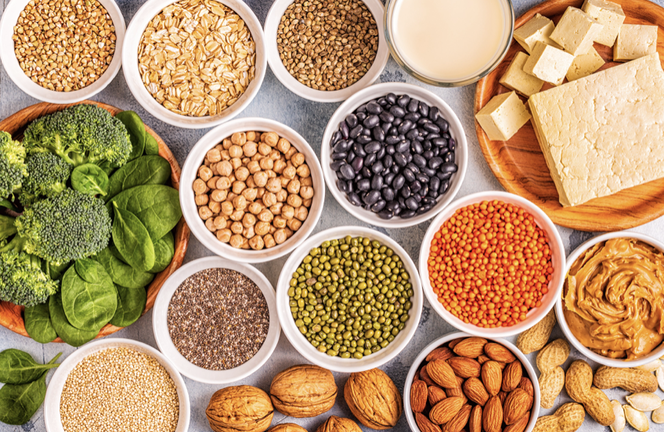 What are lectins?Lectins are a class of protein found in almost all foods especially legumes and grains. The most common lectins that people can react to are: Pea lectins Peanut lectins Wheat lectins Kidney and soya bean lectins Potato lectins Tomato lectins Squash lectins Symptoms of lectin intolerance include:Nausea after meals Bloating Abdominal cramps Fatigue and tiredness (especially after the meal) Joint pain Depression ADHD Skin rashes The reactions are variable depending on the individual. It can take minutes, hours, or days to show up making it difficult to pinpoint. Some types of lectin are more problematic than others. For example, the lectin phytohemagglutinin found in red kidney beans can cause red blood cells to clump together as well as induce nauseas, vomiting, and bloating. As lectins bind to carbohydrates they resist being broken down. Not only can they inhibit the body's ability to process carbohydrates (which can cause yeast overgrowth) but they have also been shown to interfere with the absorption of minerals such as calcium, iron, phosphorus and zinc. Since they can stop the absorption of nutrient into the body.they are often referred to as an anti-nutrient. Lectins and autoimmune diseaseLectins are linked to increased gut permeability (leaky gut) which has been found to drive autoimmune diseases. Mal digestion of the carbohydrates that are bound to lectins may disrupt the gut flora and since gut is responsible for 75% of the immune system an unhappy gut means an unhappy immune system. In addition research indicates that lectins are able to bind and adhere to cells in the body resulting in inflammation and potential immune system confusion whereby the body mistakes its own cells as being foreign eliciting an autoimmune response (broadly defined as the body attacking its own cells) The good news is that because lectins are water soluable - cooking - especially with wet high-heat methods like boiliing, stewing or even soaking in water for several hours can inactivate lectins. 4 tips to remove lectins from your favourite foods1) Soak/ rinse/ strain The tradition of soaking and rinsing grains before use is a wise age-old practice and naturally removes or reduces lectins before use. With beans soaking then straining then cooking then straining removes most lectins. Cooking for long periods helps eliminate symptoms of indigestion commonly associated with beans and legumes. 2) Cook wet with high heat The increase in use of pea protein in vegan protein poweder can be a major source of intolerance for many. The solution is to use fresh frozen peas (1 cup) per smoothie. Or if you suspect an intolerance boil the peas for 15 minutes and then cool and freeze ready for your use. 3) Peel High lectin plant foods such as aubergines, squash and cucumber can be peeled and deseeded to remove the lectin filled hull, seed or rind. 4) Ferment The process of fermenting allows beneficial bacteria to break down plant and vegetables harmful and defensive substances. For instance choose fermented soy products such as tempeh and miso. Fermenting doesn't eliminate all lectins but denatures them and resduces them significantly This website does not provide medical advice. The information including, but not limited to text, graphic and images, and other material contained on this website are for informational and educational purposes only. No information on this site is intended to be a substitute for professional medical advice, diagnosis or treatment. Always seek the advice of your physician or other qualified health care provider with any questions you may have regarding a medical condition or treatment and before undertaking a new health care regime and never disregard professional medical advice or delay seeking it because of something you have read on this website.
|
AuthorNaturopath Nutritional and Herbal Medicine Therapists Providing support & programmes designed to restore health & optimise wellbeing. Archives
December 2023
Categories |
 RSS Feed

